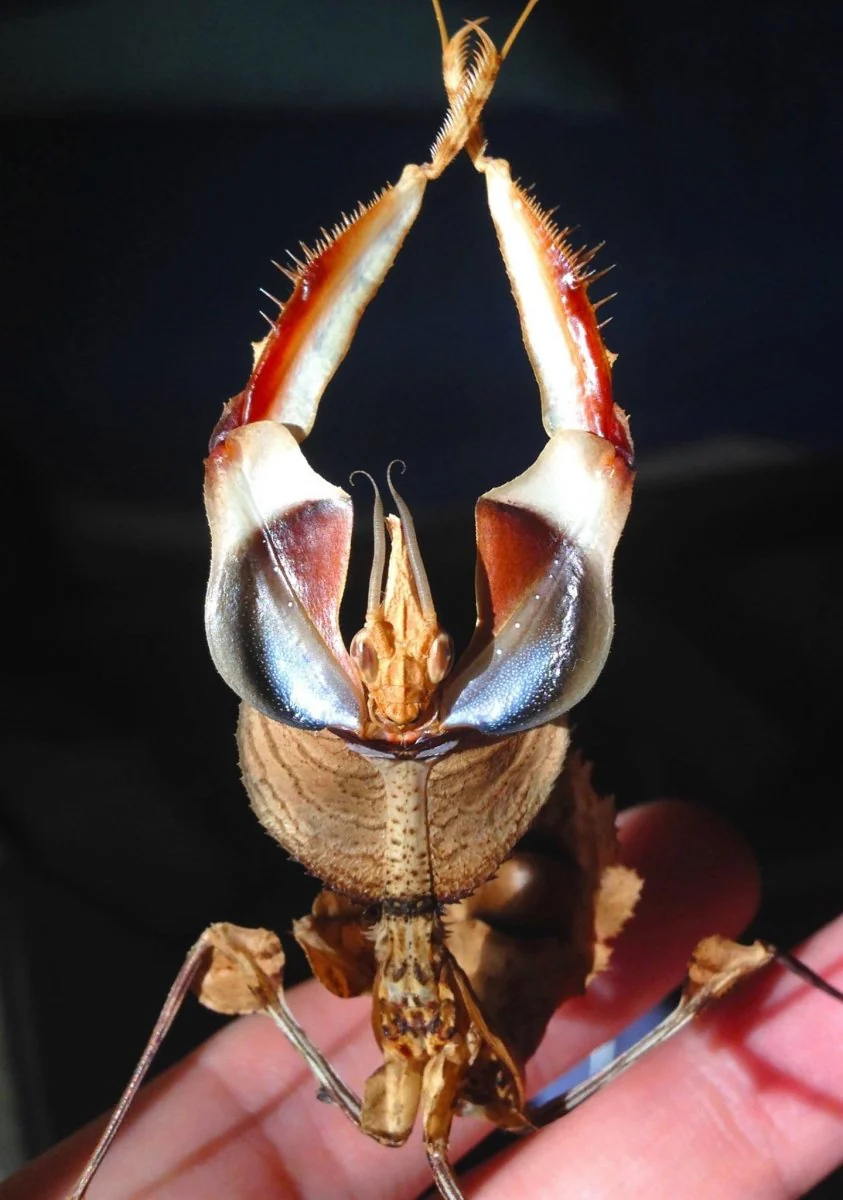
⨂ Giant Devil's Flower Mantis, (Idolomantis diabolica)
Common name - Giant Devil's Flower Mantis
Scientific name - Idolomantis diabolica
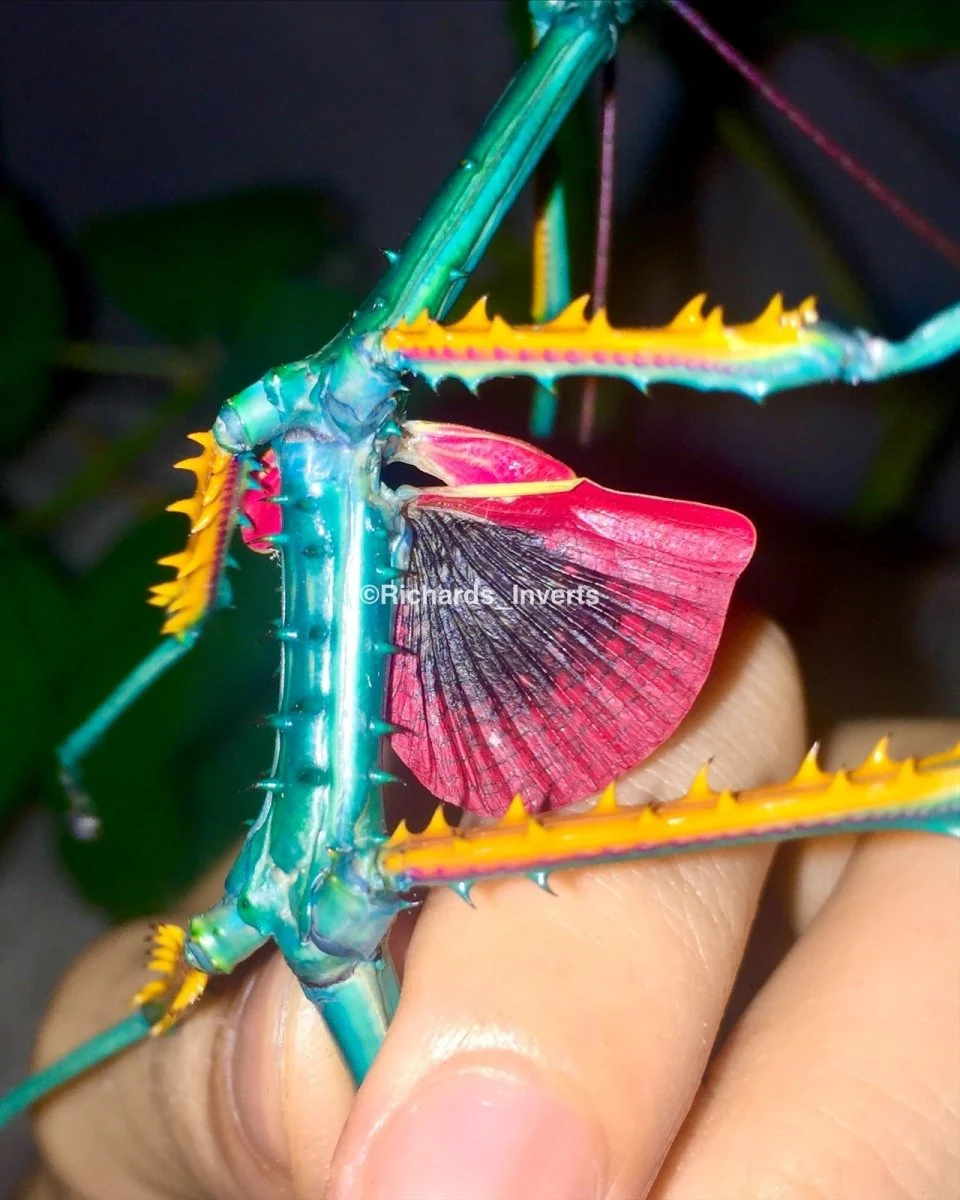
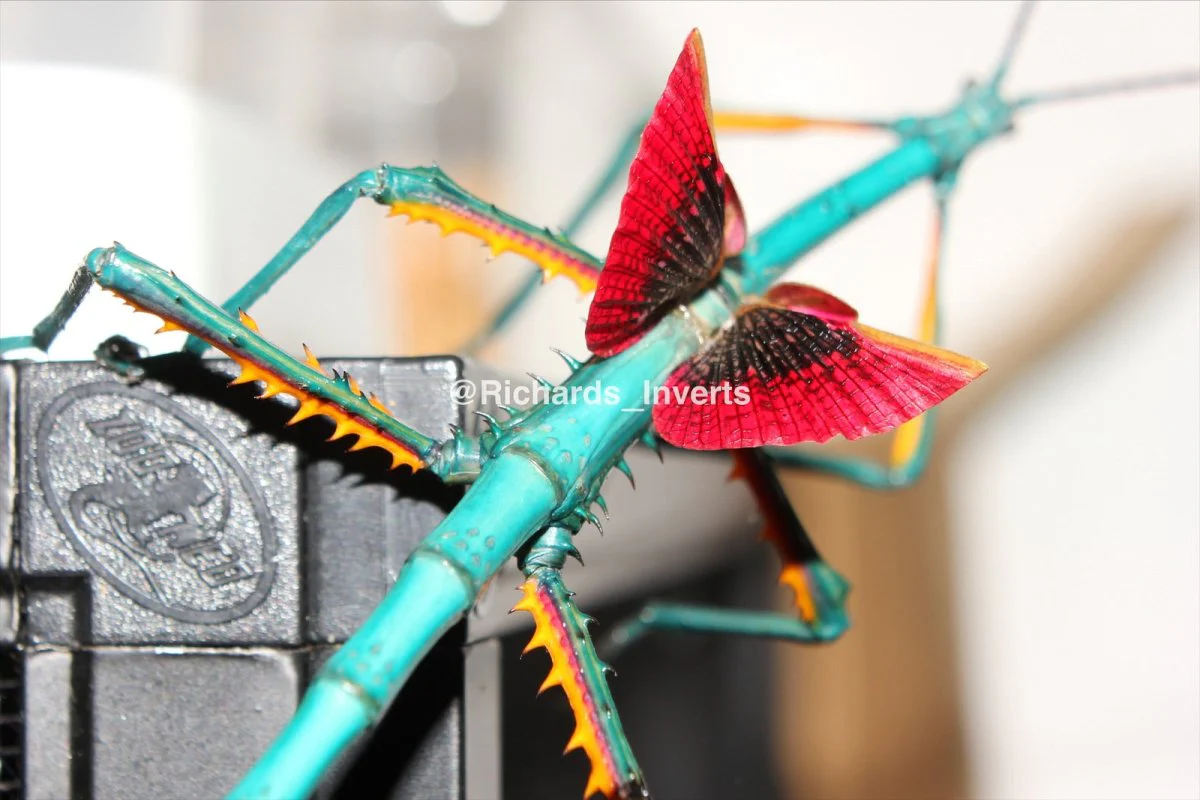
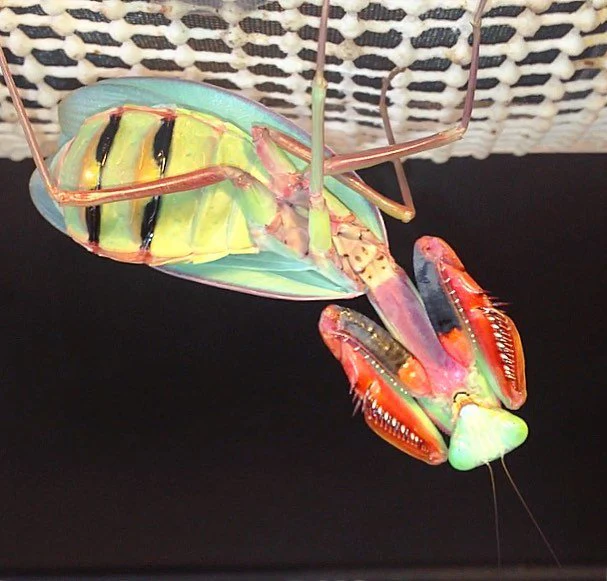
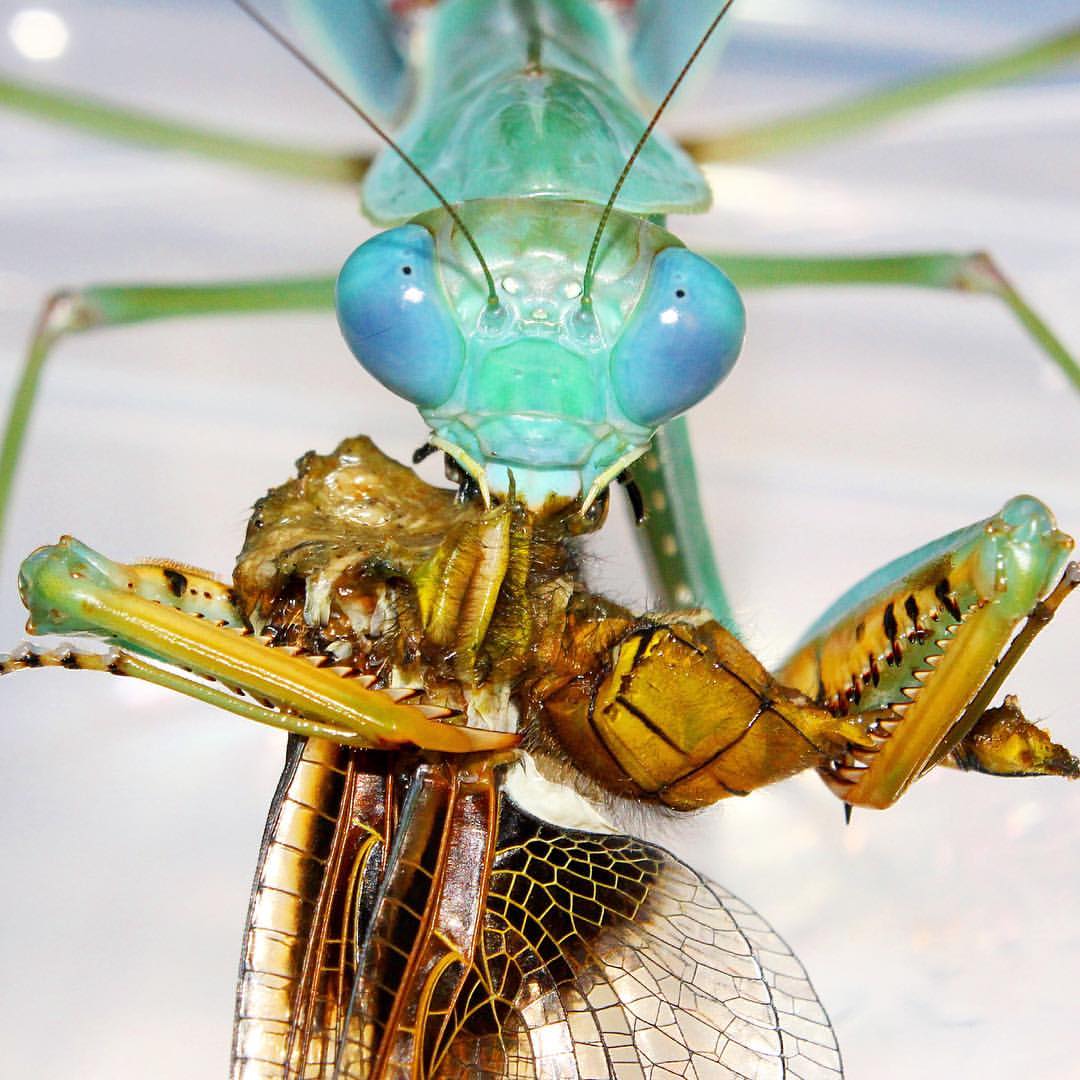
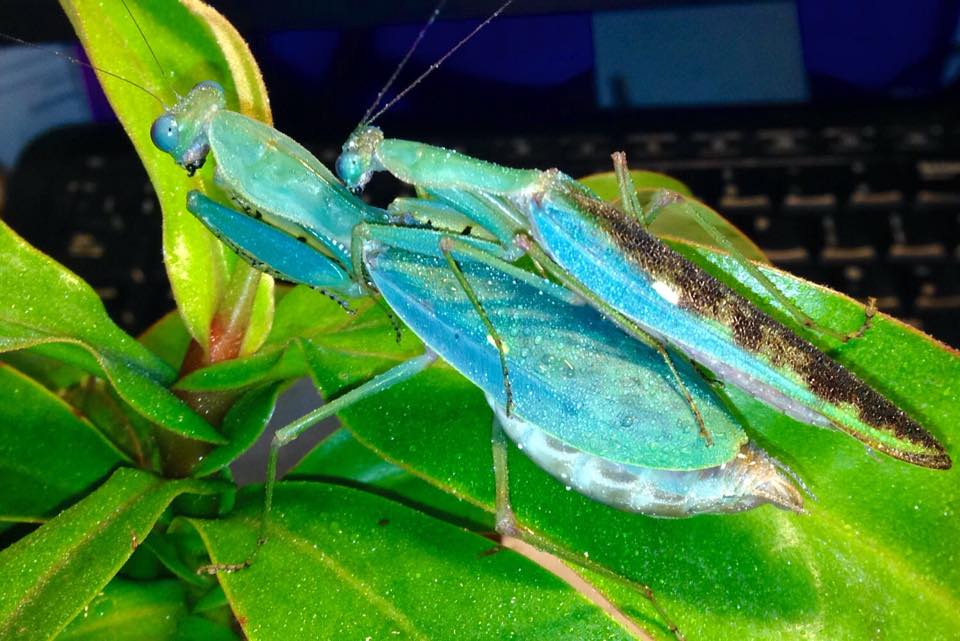
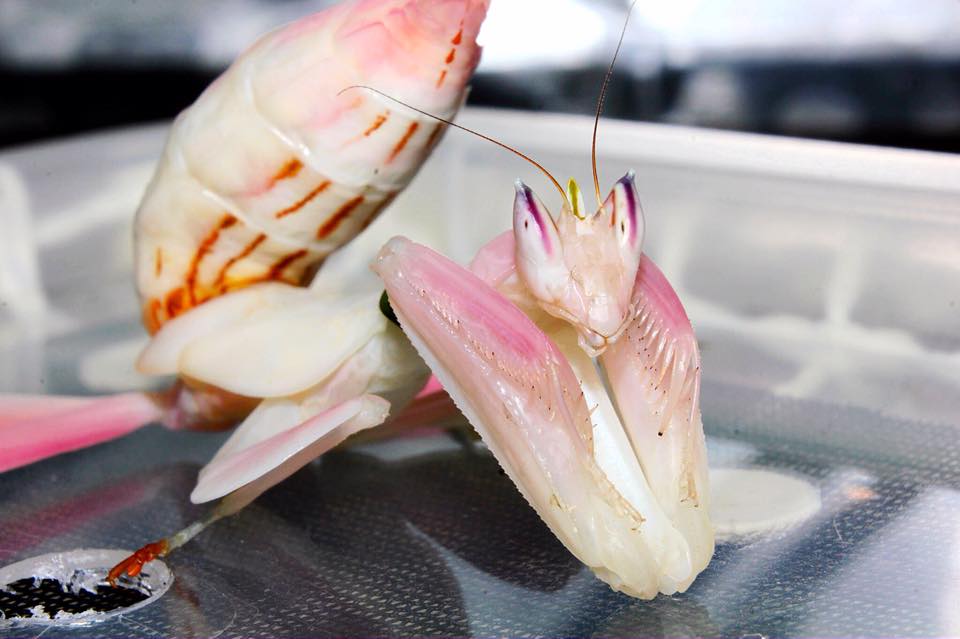
The listing is for 1x animal, of a highly sought-after species of praying mantis that is famous for their turquiose colouration and its impressive threat-pose.
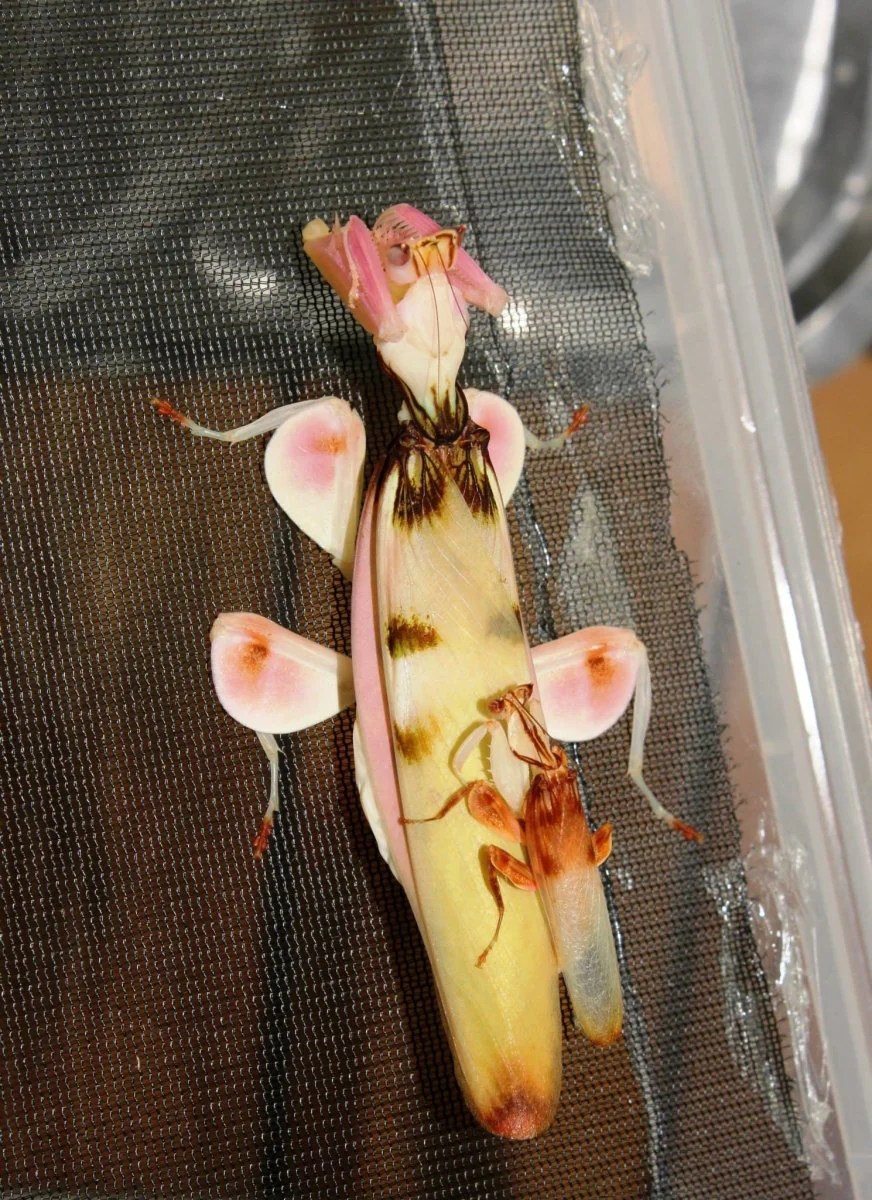
This is a large, stunning species where nymphs start off pearly-white, then transition to beige, then turn brilliantly turquoise once adult. Once adult, they can also rustle their wings together to produce a loud, 'scratching' sound as a defence mechanism.
These are CAPTIVE BRED in my collection, with this stock originating from Tanzania, Africa.
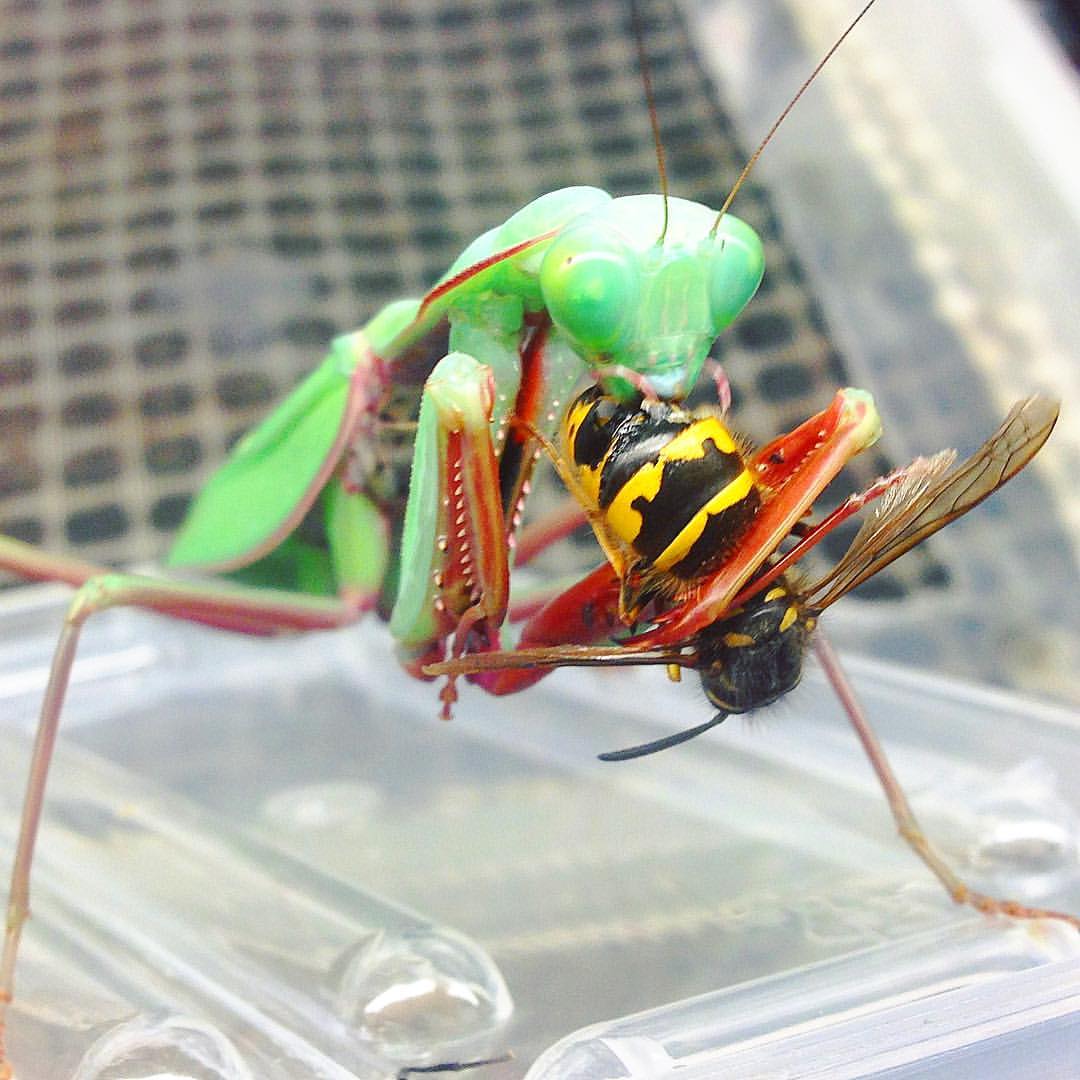
This species is a specialist in eating flying prey items, so it is recommended to feed flies and other winged insects as opposed to crawling prey items such as mealworms.
Shipping:
UK - Royal Mail Standard (NO live arrival guarantee)
UK - Royal Mail Special Delivery (live arrival guarantee)
DISPATCH DATE – Monday
*Orders are despatched collectively once a week every Monday. The cut-off time is Sunday 6pm (British Time), and any orders placed after the cut-off will scheduled for despatch the following Monday.*
TERMS & CONDITIONS
Orders are shipped at the buyer's own risk.
For the full T&Cs, please click on the link HERE.
*Disclaimer: These insects are non-poisonous and pose no harm when treated with gentle care, aligning with our commitment to the welfare of all living beings.*
Common name - Giant Devil's Flower Mantis
Scientific name - Idolomantis diabolica
The listing is for 1x animal, of a highly sought-after species of praying mantis that is famous for their turquiose colouration and its impressive threat-pose.
This is a large, stunning species where nymphs start off pearly-white, then transition to beige, then turn brilliantly turquoise once adult. Once adult, they can also rustle their wings together to produce a loud, 'scratching' sound as a defence mechanism.
These are CAPTIVE BRED in my collection, with this stock originating from Tanzania, Africa.
This species is a specialist in eating flying prey items, so it is recommended to feed flies and other winged insects as opposed to crawling prey items such as mealworms.
Shipping:
UK - Royal Mail Standard (NO live arrival guarantee)
UK - Royal Mail Special Delivery (live arrival guarantee)
DISPATCH DATE – Monday
*Orders are despatched collectively once a week every Monday. The cut-off time is Sunday 6pm (British Time), and any orders placed after the cut-off will scheduled for despatch the following Monday.*
TERMS & CONDITIONS
Orders are shipped at the buyer's own risk.
For the full T&Cs, please click on the link HERE.
*Disclaimer: These insects are non-poisonous and pose no harm when treated with gentle care, aligning with our commitment to the welfare of all living beings.*
Original: $20.17
-70%$20.17
$6.05Description
Common name - Giant Devil's Flower Mantis
Scientific name - Idolomantis diabolica
The listing is for 1x animal, of a highly sought-after species of praying mantis that is famous for their turquiose colouration and its impressive threat-pose.
This is a large, stunning species where nymphs start off pearly-white, then transition to beige, then turn brilliantly turquoise once adult. Once adult, they can also rustle their wings together to produce a loud, 'scratching' sound as a defence mechanism.
These are CAPTIVE BRED in my collection, with this stock originating from Tanzania, Africa.
This species is a specialist in eating flying prey items, so it is recommended to feed flies and other winged insects as opposed to crawling prey items such as mealworms.
Shipping:
UK - Royal Mail Standard (NO live arrival guarantee)
UK - Royal Mail Special Delivery (live arrival guarantee)
DISPATCH DATE – Monday
*Orders are despatched collectively once a week every Monday. The cut-off time is Sunday 6pm (British Time), and any orders placed after the cut-off will scheduled for despatch the following Monday.*
TERMS & CONDITIONS
Orders are shipped at the buyer's own risk.
For the full T&Cs, please click on the link HERE.
*Disclaimer: These insects are non-poisonous and pose no harm when treated with gentle care, aligning with our commitment to the welfare of all living beings.*